Blink and You're Spoiled: The 2026 Guide to Outrunning the Group Chat
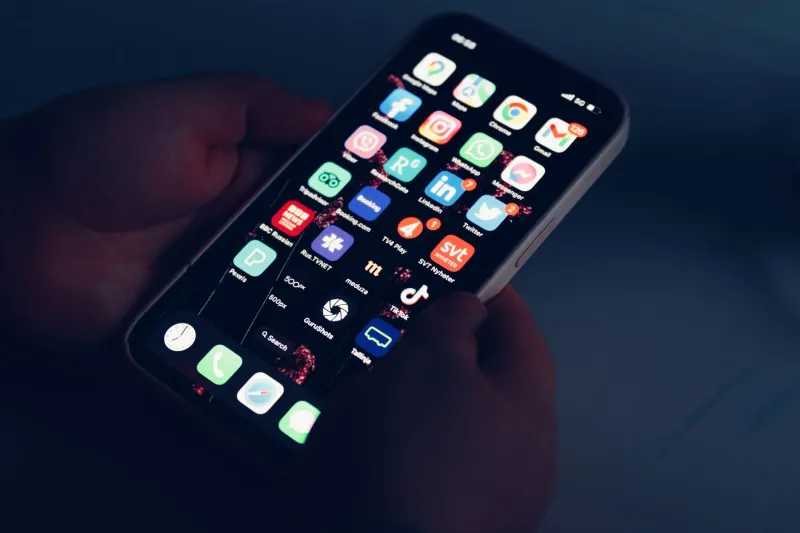
At 3:01 a.m. Eastern on a Friday, the new season of a Certain Giant Streaming Show lands. By 3:47, someone in your group chat has posted a screenshot with the caption 'I KNEW IT.' By 9 a.m., a TikTok creator has reenacted the big twist using kitchen utensils. By lunch, your coworker has casually mentioned the ending while reaching for a bagel. Welcome to 2026, where the spoiler-free window is not a weekend, not a day, but roughly the length of a good night's sleep—if you're lucky.
The old spoiler economy had a certain rhythm. A show aired on Sunday night, the office argued about it on Monday, and anyone who missed it had until Wednesday to catch up before the culture moved on. The new economy is less forgiving. Streaming drops happen at global release times, clips circulate before the credits finish rolling, and social feeds are optimized for people who have already watched. The result is a 12-hour window—sometimes less—that functions less like a courtesy and more like a countdown timer attached to your cultural survival.
The Clock Starts Before You Do
Part of the problem is that the release schedule no longer respects the US viewer's sleep cycle. A show might go live at midnight Pacific, which means East Coast fans are asleep, West Coast fans are pretending to be asleep, and international viewers are already three episodes deep by the time American breakfast starts. The algorithm does not care about your REM cycle. It sees engagement and feeds it.
Then there are the clip-first platforms. A 45-second scene can travel farther than the episode itself, especially if it contains a reveal, a kiss, a death, or a surprisingly emotional speech from a supporting character who was supposed to be comic relief. By the time you open your phone, the spoiler has been cropped, captioned, stitched, and remixed. It is no longer a plot point. It is a meme with context you do not have.
US fans have responded with a kind of panic-induced resourcefulness. People are blocking out watch windows on shared calendars. They are setting alarms for 5 a.m. They are treating a Friday release like a doctor's appointment they cannot reschedule. One friend described her strategy as 'preventative isolation': phone in a drawer, laptop on the kitchen table, coffee made the night before, and a strict no-scroll policy until the finale credits roll.
Speed-Watching Is a Team Sport Now
The phrase 'speed-watching' sounds like a crime against television, and in some cases it is. But in 2026, it has become a practical response to a structural problem. Fans are not necessarily trying to rush through a show they love. They are trying to get ahead of the conversation before the conversation gets ahead of them.
This has produced some strange behavior. There are viewing parties that begin at 6 a.m. and end before brunch. There are group chats with rules about when spoilers are allowed, enforced by the same people who once sent unsolicited voice notes about their fantasy football teams. There are people who watch the first episode, read a recap of the second, and then pretend they watched the whole thing so they can participate in the discourse without committing eight hours of their weekend.
And yes, there are people who watch at 1.5x speed. We are not here to judge, but we are here to note that the emotional beats of a prestige drama do not always survive a compressed playback setting. A lingering close-up becomes a blink. A devastating monologue becomes a slightly faster devastating monologue. The plot lands, but the mood may not.
The more interesting development is the informal 'watch-first' pact. These are not legal documents. They are social contracts, usually negotiated in a group chat, that say: nobody posts about the new episode until a designated time. Some pacts last 12 hours. Some last 24. Some are broken by the one person who 'forgot' and then posted a cryptic emoji that somehow contains multitudes.
Mute Buttons and Burner Accounts: The Survival Kit
The modern spoiler-avoidance kit looks a lot like a cybersecurity setup. Keyword filters are essential. So are muted accounts, paused notifications, and a willingness to avoid comment sections the way you avoid a mall food court on a Saturday. Some fans create burner accounts just to scroll without risk. Others temporarily change their display names to things like 'Do Not Tell Me About the Finale' and 'I Am Still on Episode Two.'
The most effective tool, unfortunately, is also the least fun: logging off. The 2026 spoiler economy has made logging off feel less like a wellness trend and more like a tactical maneuver. You are not disconnecting. You are creating a buffer zone. You are protecting the small, increasingly rare pleasure of finding out what happens next at the same time as everyone else—or at least before everyone else tells you.
The Cost of the Sprint
There is a trade-off here, and it is worth naming. The compressed spoiler window has made television feel more immediate, more communal, and more like a live event. It has also made watching feel like a deadline. The show becomes something to clear, not something to savor. The group chat becomes a finish line. The finale becomes a box to check before the next finale arrives.
Maybe that is the real story of 2026. We did not just get faster at watching. We got faster at moving on. The 12-hour window is not only about avoiding spoilers. It is about keeping up with a culture that treats every release as a conversation you are either in or out of. The fix is not to build a longer window. It is to decide, collectively, that it is okay to be late. The group chat will survive. The spoilers will wait. Probably. Maybe. At least until someone posts a screenshot.