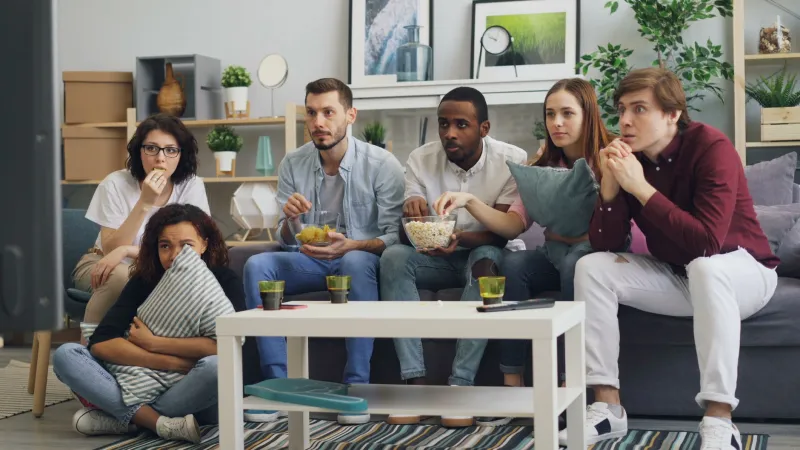
Laundry-Day Cinema: Why 2026 TV Wants Only Half Your Brain
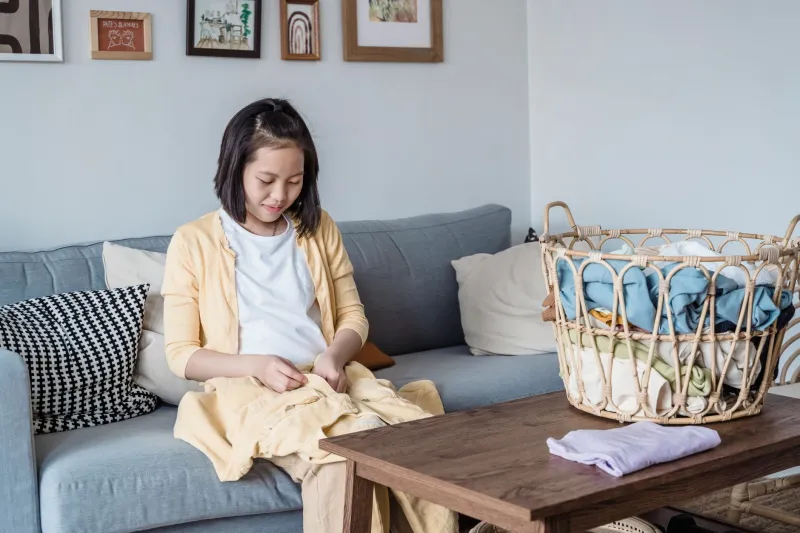
Somewhere between the third load of towels and the fourth episode of a show you are technically watching, a truth settles in: you cannot give television your whole brain every night. You have socks to match, an email to ignore, and a dog who has decided now is the time for a walk. In 2026, more shows are being made for exactly that moment. They are ambient comedies, plot-light dramas, and mystery series that will gently remind you who the murderer is every 12 minutes. KXT99 is not here to call that lazy. We are here to call it a format.
The Folding-Laundry Test
The folding-laundry test is simple: can you follow this show while matching a sock? If yes, the show has passed. If no, you have to decide whether you are watching a show or doing homework. For years, TV treated background viewers like a problem to be solved with recaps and obvious dialogue. In 2026, the best shows treat them like a second audience with its own needs. The result is a strange but satisfying kind of craft. Scenes have clear emotional colors. Characters announce their intentions. Music tells you when to look up. The show is not dumbed down; it is tuned for partial attention.
Ambience Is a Craft, Not a Cop-Out
Calling a show ambient sounds like an insult. It is not. Ambient television has rules. The lighting has to be warm enough to feel like company but not so dark that you cannot find the remote. The dialogue has to be crisp enough to follow from the kitchen. The plot has to move in loops that are satisfying even if you miss one. A great background show is like a good playlist: it sets a mood, rewards a glance, and does not punish you for stepping away.
The 2026 wave of plot-light dramas understands this. They are not trying to be less than prestige TV. They are trying to be a different thing: companionship with a runtime. A show can have beautiful production design and still let you fold a fitted sheet. That is not a contradiction. It is a design choice.
Two Audiences, One Show
The cleverest shows now write for two audiences at once. The full-attention viewer gets Easter eggs, small character beats, and a finale that rewards the rewatch. The half-attention viewer gets a clean emotional arc, recognizable stakes, and enough repetition to re-enter the story after a scroll spiral. This is harder than it sounds. If a show repeats too much, it feels like a podcast for toddlers. If it repeats too little, the background viewer is lost. The sweet spot is a scene that works as a joke, a clue, and a vibe.
The Scroll-Proof Scene
A scroll-proof scene is not the same as a boring scene. It is a scene that can survive a phone break. That means no crucial information delivered in a whisper while a character is off-screen. No plot twist that depends on a five-second insert shot of a receipt. The best 2026 shows put the important stuff in the middle of the frame, say it out loud, and then let the viewer return without rewinding. Some critics call this obvious. I call it polite.
What Background TV Gets Wrong
The format is not an excuse for mush. A show can be ambient and still have a point of view. The ones that fail are the ones that confuse calm with nothing. They stack gentle lighting, soft piano, and characters who speak in inspirational quotes until the whole thing feels like a candle with a streaming subscription. Background TV should be easy to enter, not impossible to remember. There is a difference between a show that respects your divided attention and a show that assumes you have none.
The New Prime-Time Pact
The new prime-time pact is simple: the show will not demand your whole brain if you do not demand its whole plot. That sounds cynical, but it is actually a relief. Not every night needs to be a finale. Not every show needs to be a puzzle box. Sometimes you want a story that keeps you company while you put your life in order, one sock at a time. In 2026, that is not a downgrade. It is the whole point.