Stopwatch Marketing: Why 2026’s Game Demos Want You to Break Them
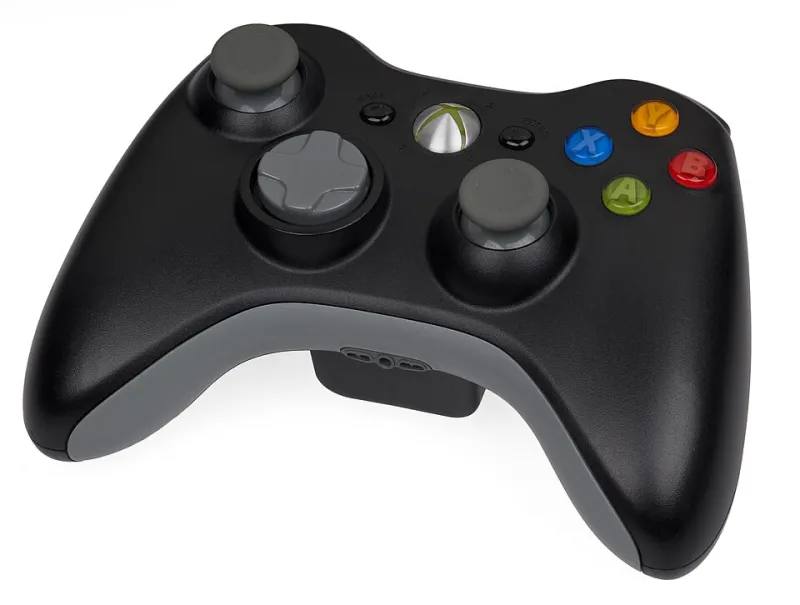
Photo: Evan-Amos, Public domain, via Wikimedia Commons
Somewhere in 2026, the traditional game trailer quietly got demoted. It still shows up, still looks expensive, still ends with a logo that goes bwoooom. But the clip everyone actually sends to the group chat is a stranger beating a demo in 00:52 while narrating the route in a voice that suggests they have not slept since the beta.
That is the new marketing math. A demo is no longer just a sample. It is a tiny, replayable stage designed to produce a shareable clip, and the fastest run is often the one the studio secretly hopes will escape. At KXT99, we have the attention span of a caffeinated squirrel, so we respect the hustle.
The Demo Is a Trailer You Can Pause
A normal trailer tells you what a game looks like. A speedrun clip tells you what a game feels like when someone is fully in control of it. That distinction matters in 2026, when audiences are drowning in cinematic teasers and “first-look” events that are really just 40 seconds of fog and a whisper.
The modern demo slice is built like a playground with a stopwatch taped to it. There is a main path for normal people, a hidden shortcut for the curious, and at least one wall that looks suspiciously climbable. Developers do not need you to finish the demo. They need you to finish it weirdly.
And ideally, they need you to upload the weirdness vertically.
The Stopwatch Is the Flex
Speedrunning has always been about mastery, but 2026 turned it into a marketing language. A fast run is proof of engagement, proof of polish, and proof that the movement system has enough juice to survive repeat play. It is also extremely cheap content. A studio can spend seven figures on a launch trailer or it can watch a player named something like SoggyBiscuit77 shave four seconds off a demo route and do the advertising for free.
The best clips this year have followed a familiar rhythm: calm setup, impossible-looking shortcut, one moment where the physics briefly file for divorce, and a final time that makes the comments section lose its collective mind. It is basically a magic trick with a controller. The audience does not need to understand the trick. It just needs to believe the game is fun enough to break.
The Year’s Clips Came in Four Flavors
The 2026 speedrun-demo wave has not been one monolithic thing. It has been a sampler platter.
First, there is the wall-clip clip—the runner finds a corner, angles the camera like they are taking a passport photo, and vanishes through geometry. The comments are always a mix of “is this legal?” and “preordering immediately.”
Second, there is the pancake skip. Every demo seems to have one object that can be used as a ramp, a springboard, or a projectile, and every runner has decided that object is the main character. A well-placed crate can shave thirty seconds off a run and add three years to a developer’s life.
Third, there is the co-op chaos run, where two players finish a demo in a time that suggests they share one brain and a very fast internet connection. These clips are popular because they look like friendship, which is a powerful thing to sell in a year when everyone is watching TV alone with a phone in each hand.
Fourth, there is the accidental glitch that becomes a feature. A player falls through the floor, lands in a secret room, and the studio has to decide by Monday whether to patch it or put it on a T-shirt.
The Devs Are Cheering for the Exploit
Here is the part that would have sounded insane a decade ago: developers are often delighted when the demo gets broken. Not every time, obviously. If the speedrun ends with a crash screen and a refund request, that is a different meeting.
But in 2026, a clean, funny, under-a-minute exploit is a signal. It says the game has systems worth poking, secrets worth hunting, and a community that wants to show off. It also gives the studio a free read on what players find fun before the full release. Telemetry can tell you where people quit. A viral clip can tell you where people grin.
The smart studios are designing demos with that in mind: short enough to replay, dense enough to reward curiosity, and stable enough that a shortcut feels like a discovery instead of a bug report. The goal is not to make the demo easy. The goal is to make the demo quotable.
The Speedrun Is Also a Spoiler
There is a fine line between “wow, you can do that?” and “well, now I have seen the entire game.” A fast run can flatten a demo’s surprises into a two-minute highlight reel, which is great for reach and terrible for mystery.
The balance is weirdly delicate. Studios want the clip to travel, but they do not want the clip to replace the experience. That is why some demos hide their best rooms behind optional routes or keep the speedrun-friendly mechanics just out of sight. The ideal viral run makes you curious, not full. It is a wink, not a synopsis.
The Leaderboard Is the New Wishlist Button
In 2026, a demo leaderboard does more than rank strangers with excellent hand-eye coordination. It acts like a wishlist button that people can smash with their thumbs. A fast time is social proof. A crowded leaderboard is a preview of a living community. A clip of a player clipping through a wall is, somehow, a review.
So the next time a game demo appears in your feed and someone is already running it like a bank heist, do not assume the marketing is broken. It is working exactly as designed. The stopwatch is the trailer now, and the best ad is a stranger breaking the game before lunch.