The Edit Button Is the New Marquee: Why 2026’s Best Movie Hype Comes From Fans

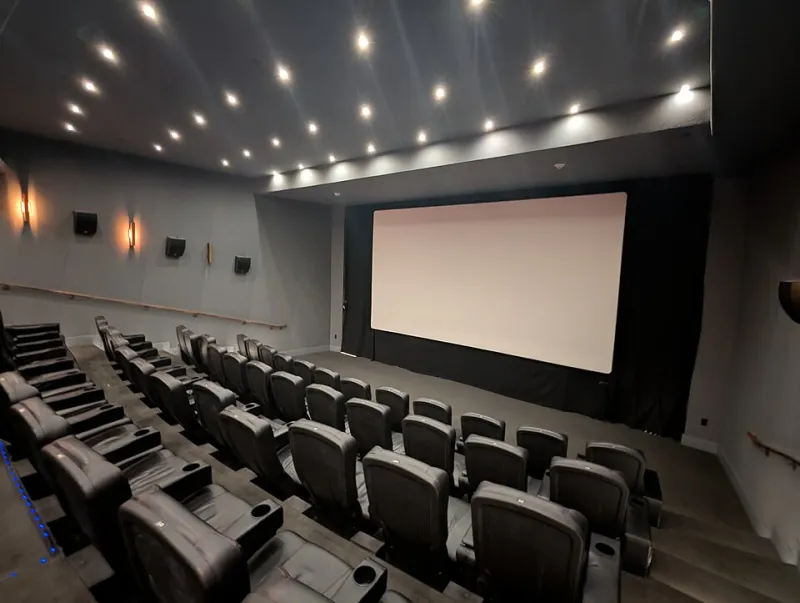
Photo: Martin Kraft, CC BY-SA 4.0, via Wikimedia Commons
Open TikTok on any given evening in November 2026 and you can watch a two-hour prestige drama get reduced to a punchy 58-second sales pitch. There’s a needle drop, a gasp, a title card, and — boom — you’re either buying a ticket or scrolling past. The kicker: nobody paid for it, and the studio didn’t cut it.
Welcome to the year of the fan recut, where the most persuasive movie marketing is often made by someone with a laptop, a streaming account, and strong opinions about pacing. The official trailer still exists, of course. It just has competition now.
The Bedroom Trailer Park
The format is simple enough to be dangerous. Take a 2026 release, strip out the subplots, keep the emotional spikes, and stitch the whole thing into a minute-long burst that feels like a movie and a meme had a very efficient child. Fan editors are posting these micro-trailers on TikTok, Instagram Reels, and YouTube Shorts, often with captions like “I fixed the marketing” or “studio, hire me.”
Sometimes they’re funny. Sometimes they’re genuinely better than the official spot. And sometimes they spoil the entire third act in a way that makes you respect the audacity more than the judgment.
The result is a weird new ecosystem. A film can spend months building a campaign around mystery, only to have a fan cut nail the vibe in less time than it takes to microwave popcorn. As one editor put it in a Reddit thread, the goal is not to summarize the movie. It’s to make strangers feel like they missed a party.
Why 60 Seconds Hits Different
A traditional trailer has a job: sell the movie to everybody. A fan recut has a different job: sell the movie to the algorithm. That means faster cuts, clearer hooks, and a title card that arrives before your thumb can twitch.
It also changes how audiences remember the plot. If you watch a 60-second edit first, you’re not learning the story so much as absorbing its shape. You know the emotional beats, the big visual, and the one line of dialogue that will be screenshotted into oblivion. The rest becomes filler you discover later — or never.
That’s not necessarily bad. Plenty of people grew up watching trailers more often than movies. But in 2026, the fan edit has become the first draft of public opinion. A clever recut can make a slow-burn drama look like a thriller. A bad one can make a comedy look like a hostage situation.
And because these clips are short, they’re easy to rewatch, quote, and send to the group chat. A trailer is an ad. A fan recut is a personality test.
Studios Are Passing the Aux — Quietly
Studios have noticed. They’re not exactly sending fruit baskets to every editor with a CapCut watermark, but they’re not pretending the fan cuts don’t exist, either. Some have invited popular editors to early screenings. Others have reposted fan-made clips with credit. A few have hired the people behind the edits for official social campaigns, which is either a smart embrace of internet culture or the beginning of a very strange job interview.
The careful dance makes sense. Fan edits are free enthusiasm, but they’re also free copyright headaches. Studios want the buzz without looking like they’re endorsing spoilers, and editors want attention without getting a takedown notice before dinner. So far, the vibe is less cease-and-desist and more see-you-at-the-premiere.
That quiet courtship is shaping 2026’s word-of-mouth. A fan edit can travel farther than a billboard because it feels handmade. It arrives with a recommendation baked in: someone cared enough to make this, so maybe you should care enough to watch it.
The Plot Becomes the Punchline
There’s a downside, and it’s not hard to spot. When every movie gets compressed into a minute, the stories that depend on patience start to look like they’ve been left on the stove too long. Quiet character work becomes a montage. Ambiguity becomes a plot hole. A film’s whole personality gets sanded down to the one shot that plays well on a phone.
But the fan edit also gives smaller releases a fighting chance. A movie without a massive marketing budget can get adopted by an editor who finds the perfect song and turns a forgotten October release into a November obsession. In that sense, the format is less a replacement for the trailer than a chaotic, enthusiastic second opinion.
And audiences seem fine with that. We already let the group chat tell us what to watch. We let Letterboxd tell us what to think. Why wouldn’t we let a stranger’s 60-second cut tell us what to feel before we’ve even bought the ticket?
Word of Mouth With a Timeline
The fan recut isn’t killing the official trailer. It’s just making the whole conversation faster and a little more feral. Studios still control the movie. Fans control the first impression.
That’s the trade in 2026: you give us your two-hour story, and we’ll give you a minute-long version that might be funnier, sharper, and more shareable than anything your marketing department cooked up. If the edit is good, everybody wins. If it’s bad, at least it’s short.
So the next time a movie pops up in your feed with a suspiciously perfect needle drop and a title card that hits at 0:57, check the credits. It might be the most honest trailer you see all year — and it definitely didn’t come from the studio.