The First Look Is the Whole Look: Movie Teasers Are Now the Main Attraction
The movie red carpet used to mean a limo, a wall of photographers, and at least one actor pretending the wind was the only reason their outfit looked dramatic. In 2026, the real arrival happens on your phone at 9 a.m. ET on a Tuesday: a 45-second teaser drops, the group chat detonates, and the internet spends the rest of the day freeze-framing a doorknob that might be a clue. KXT99 has covered plenty of viral clips, but this is different. The teaser is not a preview anymore. It is the event.
The 45-Second Red Carpet
Studios have figured out that the first look is often the only look people discuss. A full trailer can run two and a half minutes and explain the plot, the tone, the villain, and the dog. A teaser has room for a logo, a mood, three shots, and one line of dialogue that sounds profound until you realize it is probably a placeholder. That restraint is the point. The less a teaser explains, the more fans can project onto it. A silhouette becomes a casting rumor. A piano note becomes a theory. A single frame of a diner at night becomes a 14-post timeline about timelines.
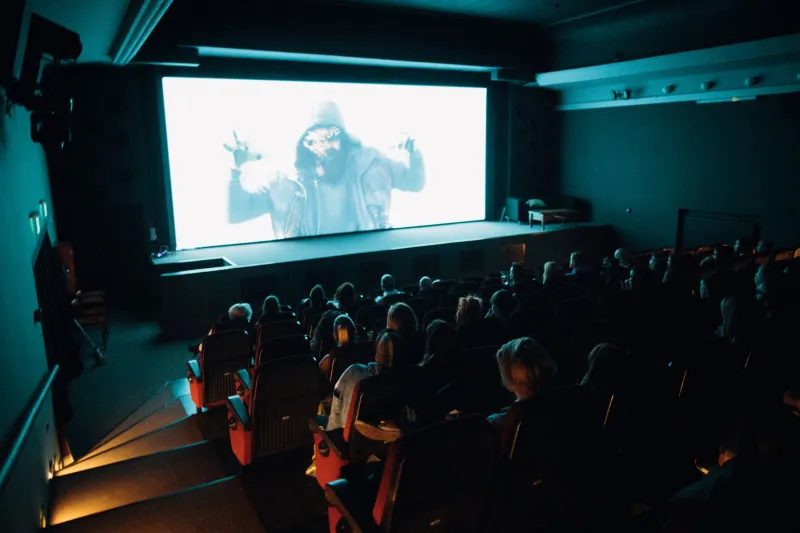
This is why teaser premieres now get scheduled like award shows. There is a countdown, a premiere page, a chat window, and a reaction stream from at least six creators who all gasp at the same time. The red carpet used to be where stars answered questions. Now the teaser is where fans ask questions of a 45-second video that refuses to answer them.
Built for the Pause Button
The smartest 2026 teasers are designed for people who will not watch them once. They are built for the pause button, the screenshot, and the clip. That means clean compositions, bold text, and shots that read even when compressed into a vertical video. A director used to worry about the big-screen experience. Now they also have to worry about how the frame looks when someone crops it to a square and adds a caption that says, and I cannot stress this enough, what.
You can spot a teaser engineered for reposting within seconds. The title card lands early enough to be clipped. The release date appears twice. The most meme-able image is placed just before the logo, so the loop feels intentional. Even the sound mix is in on the joke: a bass drop here, a needle scratch there, a whisper that sounds expensive. These are not accidents. They are hooks with handles on them.
Reaction Streams Are the After-Party
The reaction stream has become the teaser's after-party. Creators watch live, pause dramatically, and explain what a shadow might mean. Some of these streams are genuinely fun. Some are just a person staring at a wall while a chat screams. Either way, they extend the life of the clip. A 45-second teaser can generate 45 minutes of commentary, which is an impressive return on investment if you are a studio and a slightly alarming return on attention if you are a human being with laundry.
The group chat is the other after-party. Someone sends the teaser. Someone else sends a screenshot with a red circle around nothing. A third person says they are not watching any trailers anymore, then watches the teaser four times. This is the modern fan ecosystem: a tiny piece of media, a huge amount of conversation, and a healthy suspicion that the best scene is already in the teaser.
The Full Trailer Is Now the Director's Cut
Here is the funny part: the full trailer now feels like the extended edition of the teaser. It arrives later, explains more, and often gets a shrug. Fans have already dissected the mood, ranked the shots, and made the jokes. The full trailer is where the studio says, okay, here is the plot, and the audience says, cool, but did you see the doorknob? That does not mean trailers are useless. It means the teaser has taken the cultural slot that used to belong to the trailer. The first look is the headline. The full trailer is the follow-up interview.
When the Teaser Becomes the Movie
The risk is obvious. If the 45-second clip is the main event, the movie itself has to survive the expectations built by a mood board. Teasers are great at selling vibes and terrible at promising stories. A teaser can make a romantic comedy look like a thriller, a thriller look like a perfume ad, and a perfume ad look like a sequel. When the movie finally arrives, some fans will discover they loved the idea of the movie more than the movie. That is not a new problem, but the teaser economy makes it faster and louder.
Still, there is something delightful about the ritual. A teaser drop is a shared appointment that costs nothing, requires no ticket, and gives everyone something to do for a day. It is the red carpet without the traffic. It is the first look as the whole look. And in 2026, that is apparently enough to run the conversation until the next 45 seconds arrive.