The Mall Is Dead. The Midnight Movie Is Just Waking Up.
At 11:47 p.m. on a Saturday, the parking lot of a mostly dead mall in the Midwest looks like a tailgate for people who communicate primarily in GIFs. Someone is blasting a synth-pop playlist from a hatchback. A group in matching trench coats is doing a fit check against a shuttered Cinnabon. And a line is forming outside a cinema that, according to the mall directory, technically doesn’t exist anymore.
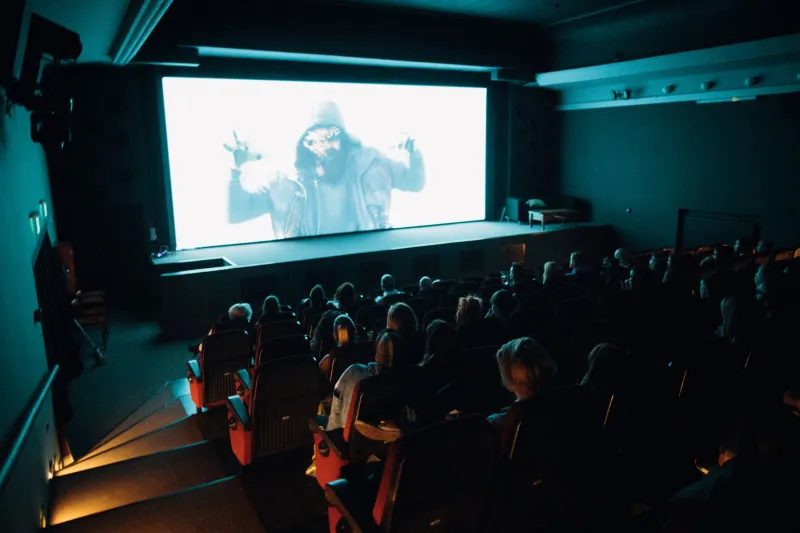
Welcome to the 2026 midnight movie revival: part nostalgia trip, part social club, part real-estate experiment. Across the U.S., abandoned mall multiplexes and creaky retro theaters are flickering back to life for one-night-only late screenings—and Gen Z and millennials are showing up like it’s a concert.
The Parking Lot Is the New Red Carpet
The first rule of midnight movie club is that the movie is only half the event. The other half is the parking lot. People arrive early. They tailgate. They trade snacks. They take photos in front of dead storefronts like they’re at a red carpet, except the backdrop is a boarded-up Sunglass Hut and the security guard is just a guy named Dale.
There’s a distinctly 2026 flavor to it. The fits are deliberate. The pre-show clips are already circulating. Someone has a portable speaker. Someone else has a disposable camera. The vibe is less we’re here to watch a movie and more we’re here to be in the same room while a movie happens, which is a subtle but important difference. It’s a third place with a projector and a questionable HVAC system.
Why a 12:01 A.M. Screening Feels Like a Concert
Midnight screenings aren’t new. The Rocky Horror Picture Show has been doing this for decades. But the 2026 version is bigger, younger, and much more likely to end up on your For You Page. The appeal is partly practical: late-night screenings are cheaper to run, easier to fill, and weirdly compatible with the schedules of people who work service jobs, gigs, or cursed corporate hours.
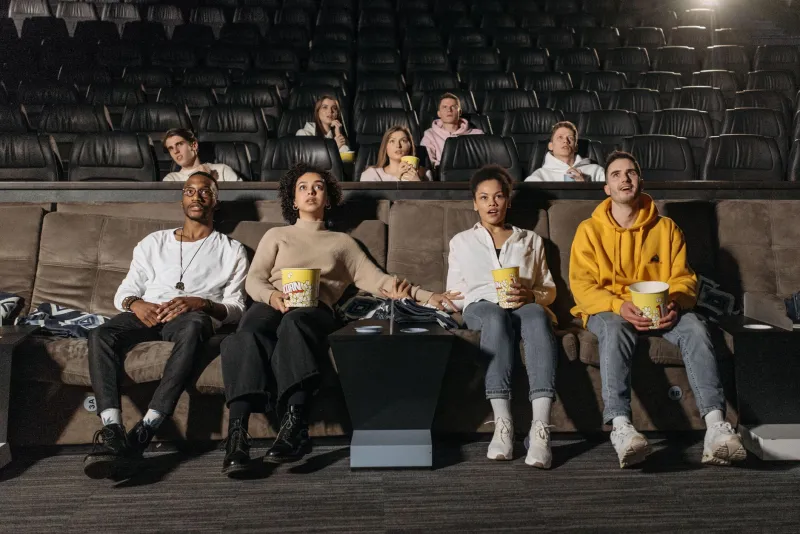
The bigger appeal is communal. A midnight movie is a permission slip to be a little unhinged in public. You can quote every line. You can wear the outfit. You can cheer when the villain enters. You can boo the love interest. You can do the thing where the whole audience says the next line in unison and feels, for one fleeting moment, like you’re all in on the same joke.
That’s the concert dynamic. The movie is the setlist. The audience is the band. The theater is the venue. And the clip economy loves it. A 20-second video of 200 people losing their minds at a cult classic does more marketing than a billboard ever could. The screening becomes content, and the content becomes the next screening’s crowd.
The Economics of a One-Night Cinema
Here’s the part that surprises people: the money kind of works. Dead malls are desperate for foot traffic. Landlords would rather have a one-night event than another empty corridor. Operators can negotiate short-term leases, pop-up agreements, or revenue splits that make a single night feel less like a charity project and more like a business.
Tickets are usually $15 to $25. Concessions are cash cows—especially when the popcorn machine still works and the soda fountain has been lovingly resuscitated. Merch tables sell out. Local vendors set up in the lobby. A retro theater can charge a premium for the novelty of sitting in a room that smells like 1998 and possibility.
The real magic is overhead. You don’t need a full staff. You don’t need a year-round marketing budget. You need a screen, a projector, a license to show the film, and a crowd that wants to be there. One-night-only means one-night-only risk. If it flops, you’re out a weekend. If it hits, you’ve got a recurring event and a line around the food court.
Rituals, Fits, and the Sacred Pre-Show Clip
The rituals are where the revival gets its personality. There’s the 11:59 countdown. There’s the pre-show outfit check. There’s the moment when someone in the back row starts a call-and-response and the whole room joins in. There’s the sacred tradition of taking a group photo in front of the theater sign, preferably with a dead mall escalator in the background.
Themed outfits are not optional, they’re the point. People dress as the characters, the soundtrack, the era, or the general concept of 1987. Someone always brings a prop. Someone always brings a friend who has never seen the movie and is about to have a very loud evening. The line between audience and performance gets blurry, which is exactly the idea.
And yes, the clips are part of the ritual. The pre-show parking lot video. The reaction shot during the big scene. The post-show debrief in the car. The revival is powered by the same engine as everything else in 2026: if it didn’t get posted, did it even happen? The answer, for this crowd, is a cheerful no.
Can the Revival Outlast the Nostalgia?
The obvious risk is novelty. Dead-mall cinema is a great story until it’s just another Tuesday. The HVAC fails. The licensing gets complicated. The landlord raises the rent because the event worked. The crowd moves on to the next abandoned space with better parking.
But there’s something stickier here than pure nostalgia. People are craving low-stakes, in-person, slightly weird communal experiences. A midnight movie is cheap enough to try, strange enough to remember, and social enough to bring a friend. It doesn’t require a subscription or a group chat vote. It just requires showing up at an hour when sensible people are asleep.
So maybe the dead mall isn’t dead after all. Maybe it’s just between leases. For one night a month, the escalators hum, the popcorn pops, and a bunch of strangers in themed outfits agree on the same joke. That’s not nothing. That’s a third place with a projector. And in 2026, that’s worth staying up for.